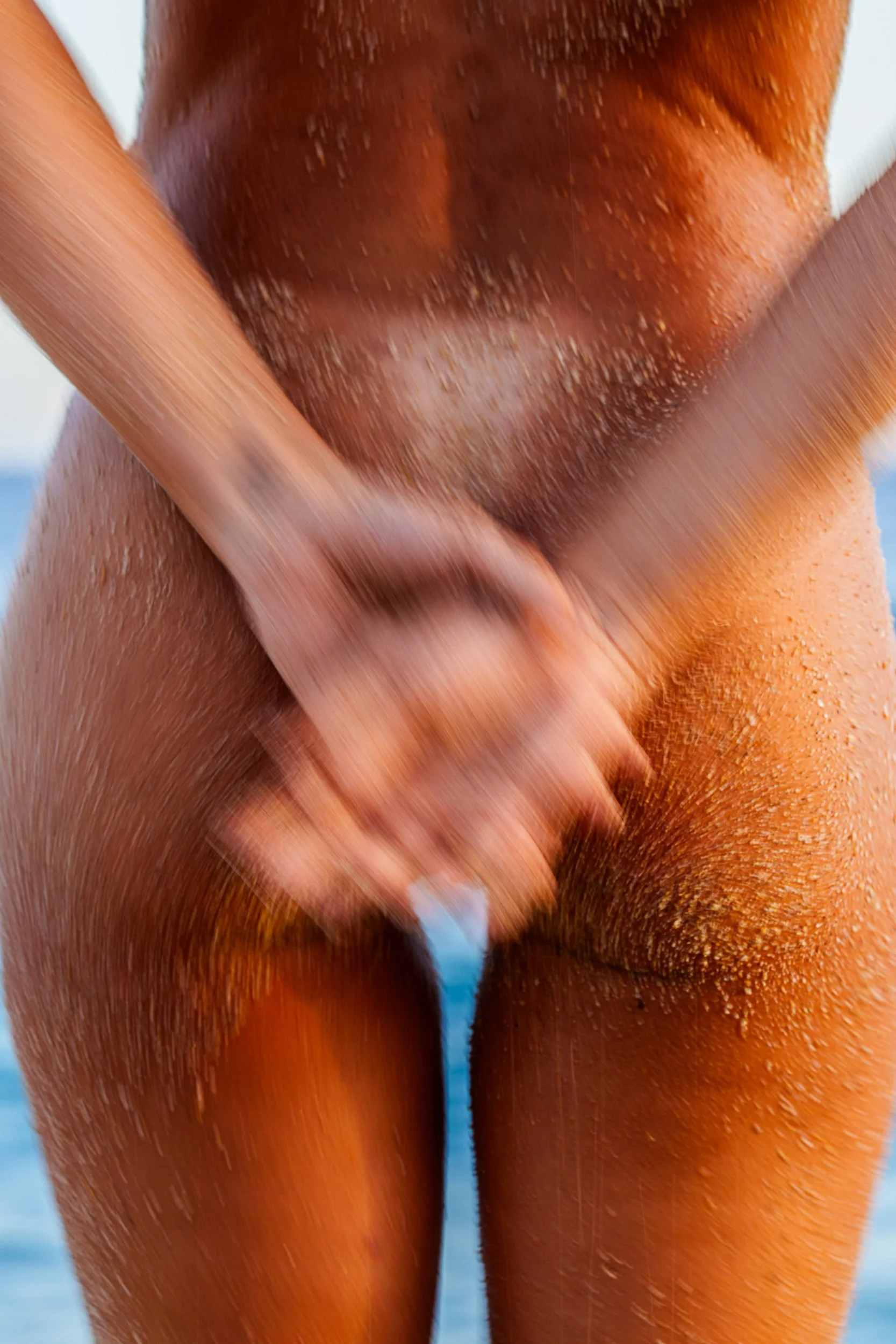
How Film Photography Rewires the Way We Look for and Create Images
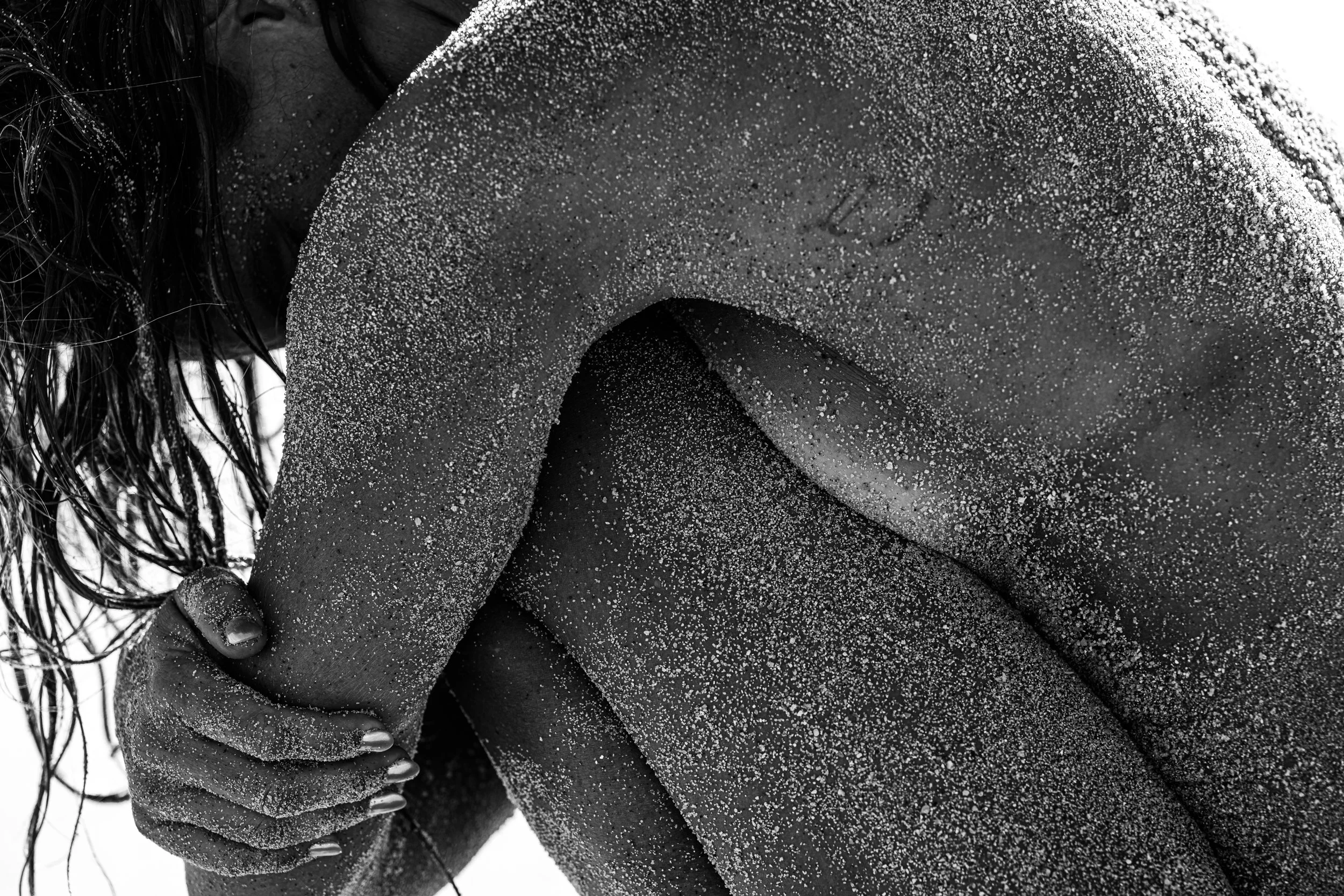
More and more photographers are adopting film and analog photography to feel more connected to their work again.
They are putting down $10,000 digital workhorses in favor of something slower. This growing distaste for digital, in part, comes from a loss of trust introduced over generations of Photoshop and now by the introduction of AI and automation.
But something is getting lost in that shift. We are forgetting about the image itself.
One of the most well-known examples of an analog photographer is Ansel Adams. When he wanted to photograph his iconic landscapes, he chose an 8×10 camera because of the level of detail it allowed him to capture. It was worth carrying heavy cameras and wooden tripods into remote locations to create the image he already had in his mind.
People often make the mistake of thinking that the medium is the art, that using an old camera and analog film is what makes it special. When we compare the work of those masters to that of the modern analog photographer, we have to ask, have we improved on what they were creating decades ago, or are we trying to borrow credibility by using the same tools?
Digital has allowed us to shoot more, faster, and with more precision. But have we been creating more truly great images than before those digital cameras existed?
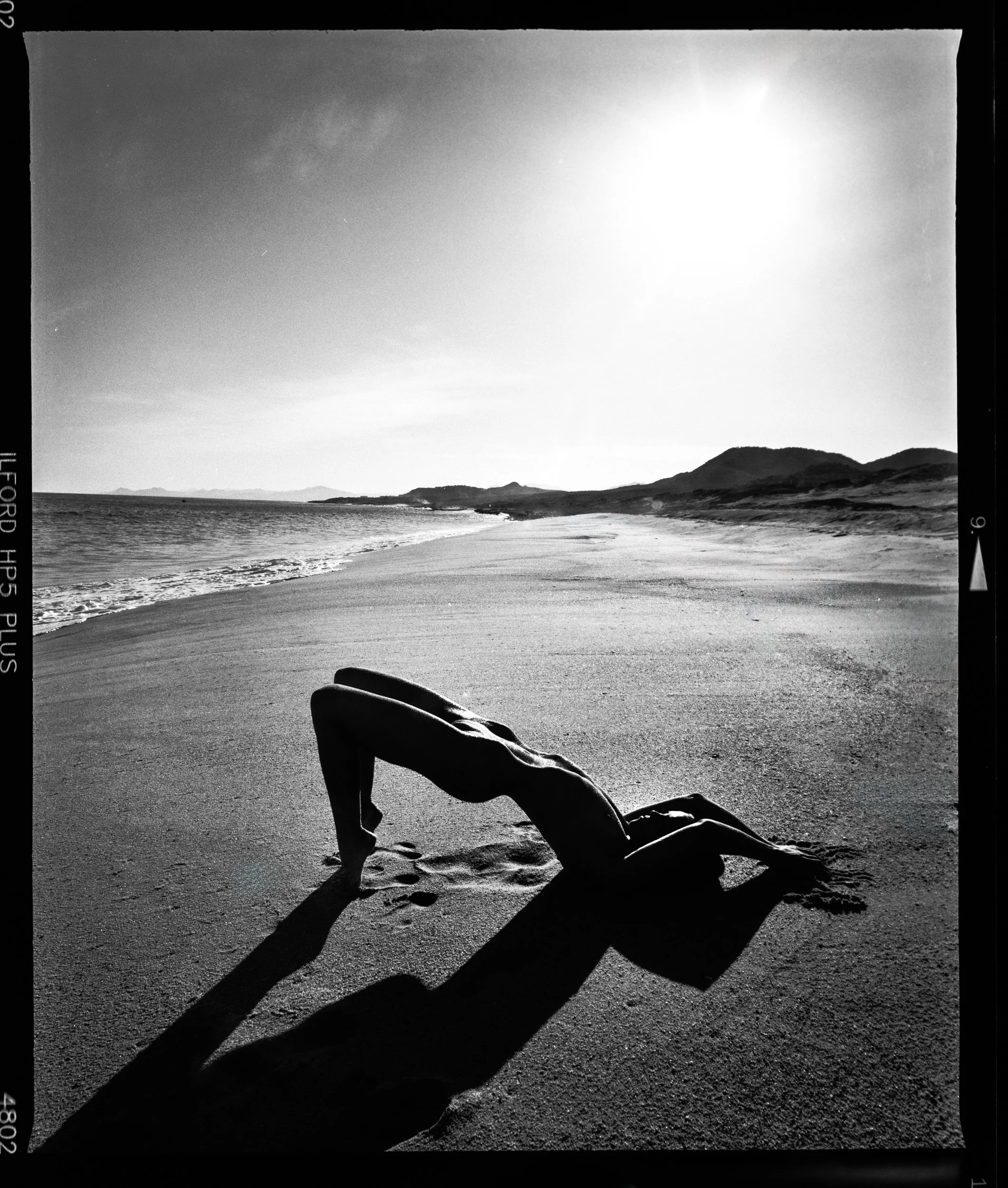
What makes an image good or great is not the fact that it was shot on film; it is the level of intention and attention put behind it.
On this particular shoot, I was working with both digital and film at the same time. One of the rolls I’ve just shot was in progress for two months. All of the rolls I shot matter, and all of them are slow and deliberate, but this one carries a different kind of weight.
I spent those two months photographing water, clouds, and light, knowing I would come back and double-expose the same frames. Every image had to be tracked, remembered, and matched with purpose.
What took me so long, was that I needed to meet the right person to collaborate with, someone I could trust to be in that space and be open, excited, and trusting of me to build the second half of those images.
I met Elisa a few days before I ran out of time. Immediately after talking to her about the project, I knew she was the one to work with and we were both excited to see what we could come up with, but also understood that maybe nothing would come out at all. That’s art.
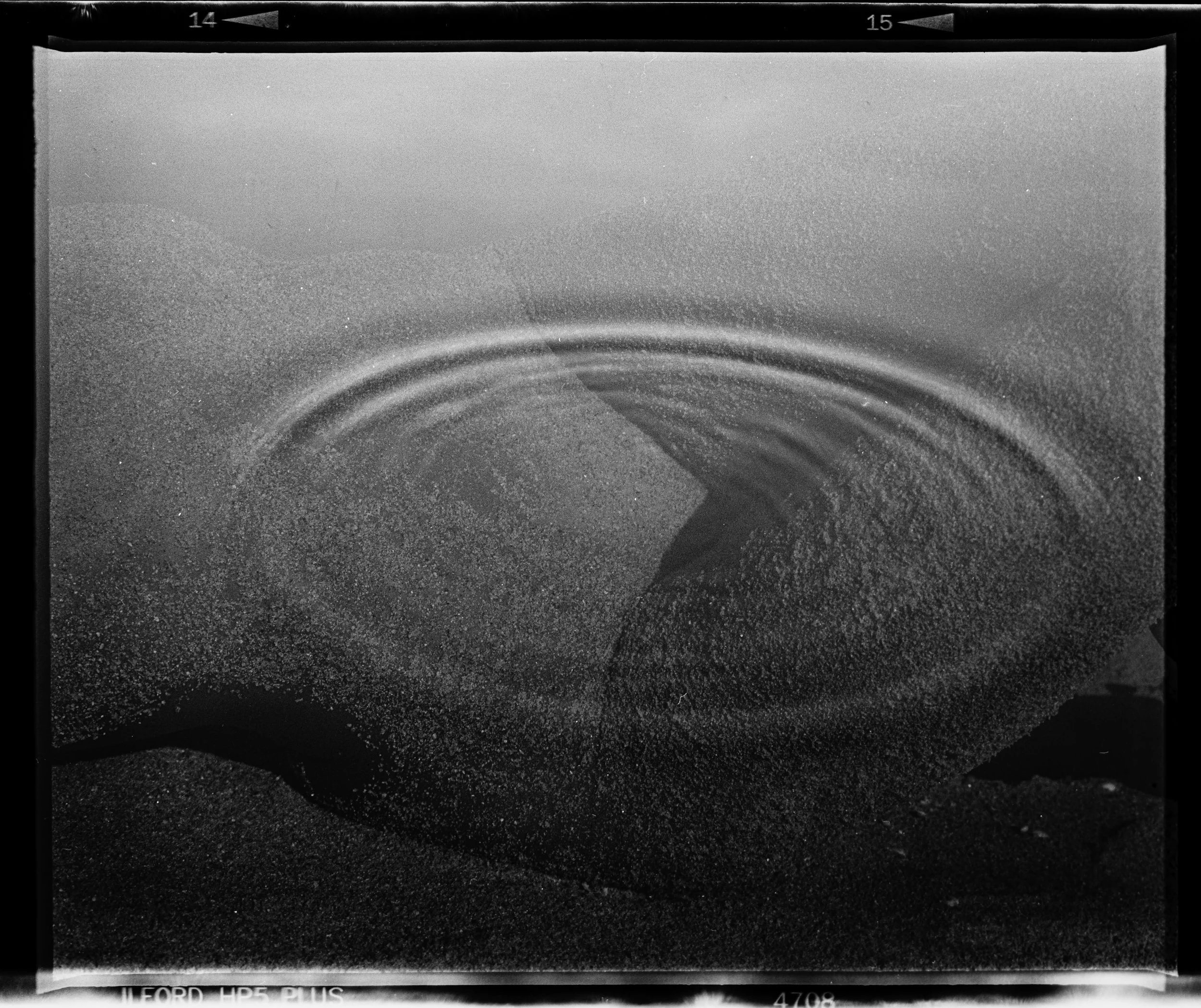
A double exposure made over two months.
At the same time, I had brought a digital camera with me as well. Part of me wanted certainty, a way to make sure I had something usable from the day, if not for me, at least to make it worth Elisa’s time.
The difference between the two cameras and how they drove the shoot was immediately obvious.
With digital, I could move quickly. I could shoot through uncertainty and adjust in real time. I was limited only by how fast I could spot the photo, not how fast the camera could operate. In a way, digital is more about the final image than the moment itself.
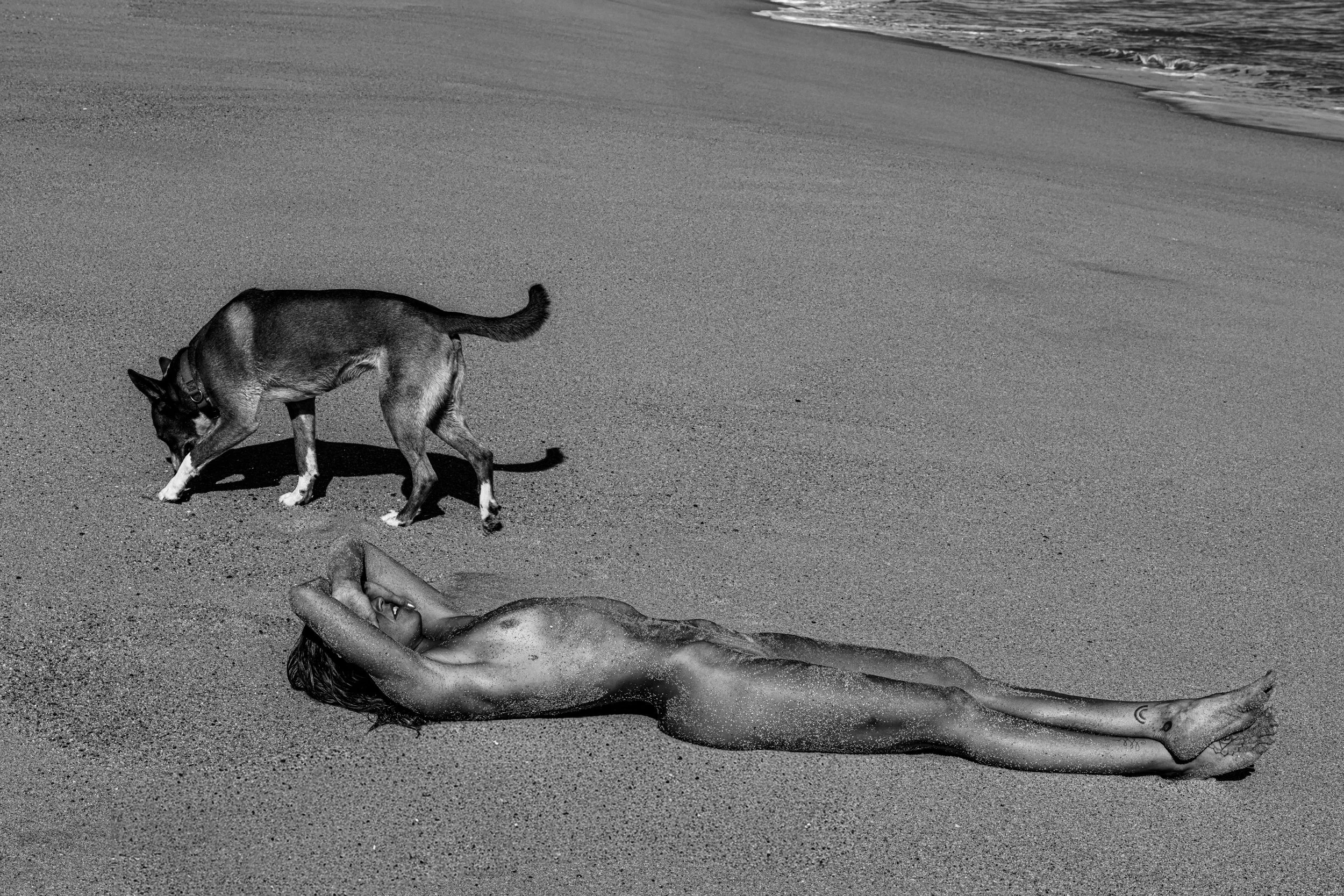
With digital, it was easy to snap the moments that happened in between. No shutter to cock, no roll to advance…
With film, everything slows down. You stay in the moment longer. You cannot move past it until it has resolved itself. It forces presence in a way digital does not.
There is space between frames. In that space, the relationship between the model and the photographer becomes more exposed. If there is discomfort, it shows. If there is trust, it’s obvious.
In that time, I am creating the next image, not reacting to the one before it.
With digital, I take more chances, I shoot through uncertainty. If movement isn’t happening, or I don’t like a pose, I’ll fire off four or five frames to let her know I have it, that I captured what she’s waiting for, that she can keep moving. The audible snaps of the shutter become a language, a dialogue.
With film, that just can’t happen. I can’t waste frames just to signal. That layer of communication disappears.
Ten frames per roll forces clarity. It turns the process into a conversation. I am not directing every movement. I set a mood, and we stay there.
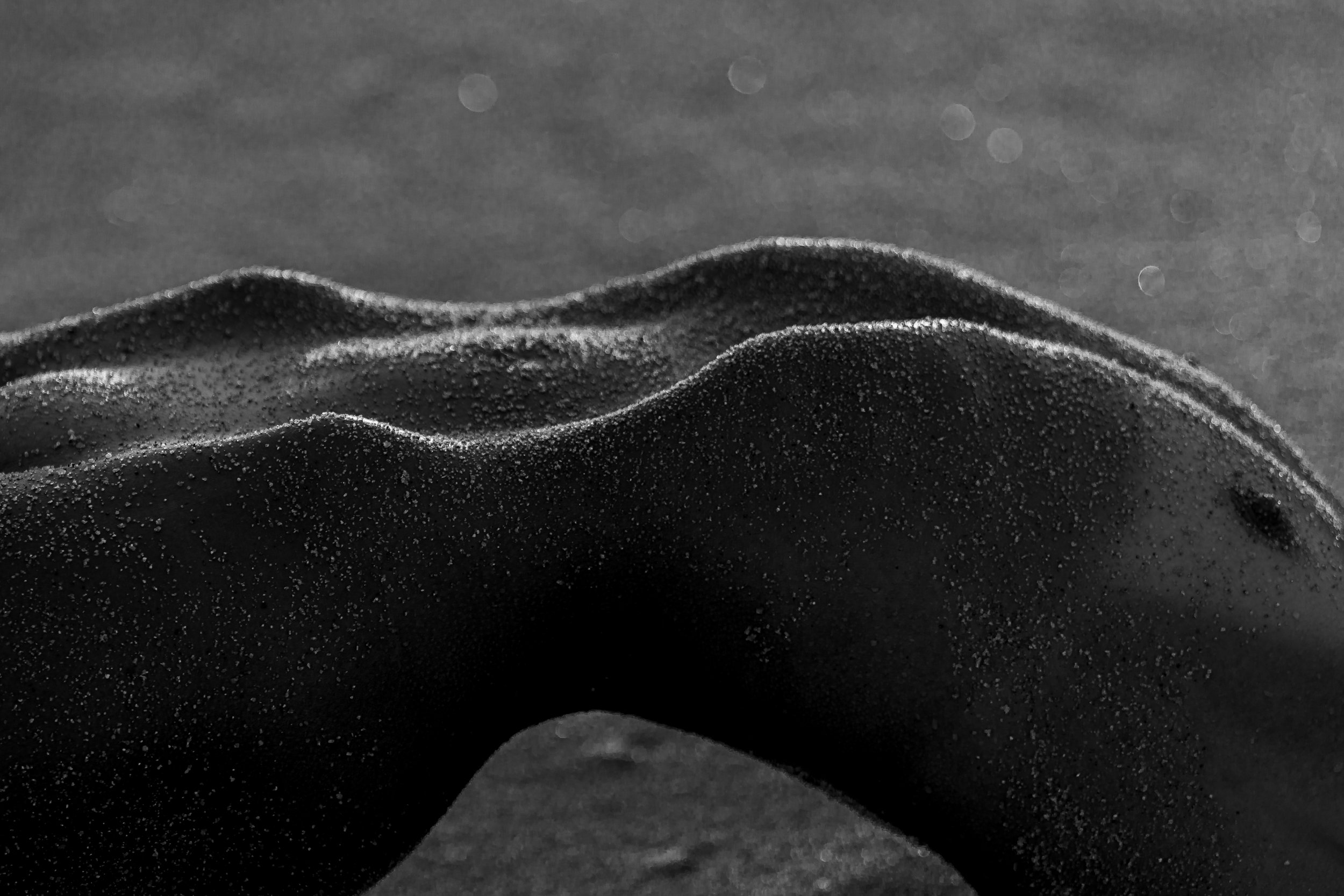
Long enough for the model to feel the warmth of the light as it falls across her body. To know where it is without looking. To move with it instead of through it.
Less guessing. More presence.
Now I wait two weeks to see if those moments were captured, or if my calculations were wrong and I failed to capture them.
And even if I did, I wonder if they hold up against the work of photographers using early, imperfect equipment, back when these ideas were still being discovered rather than referenced.
Either way, it doesn’t matter.
The real art already happened.